
WorkCover, Medicare, DVA & NDIS Physio in Coorparoo
We see WorkCover, Medicare Chronic Condition Management Plan, DVA and NDIS patients at our Coorparoo clinic. Each scheme works a little differently, so each has its own section below.
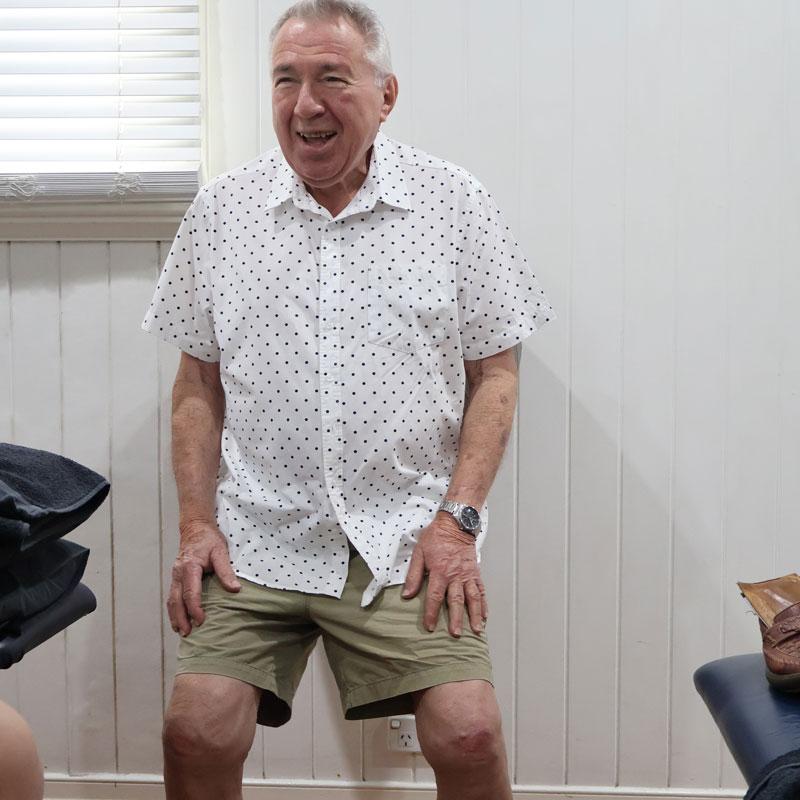
WorkCover physio
Get Out of Pain. Get Strong. Get Back to Work.
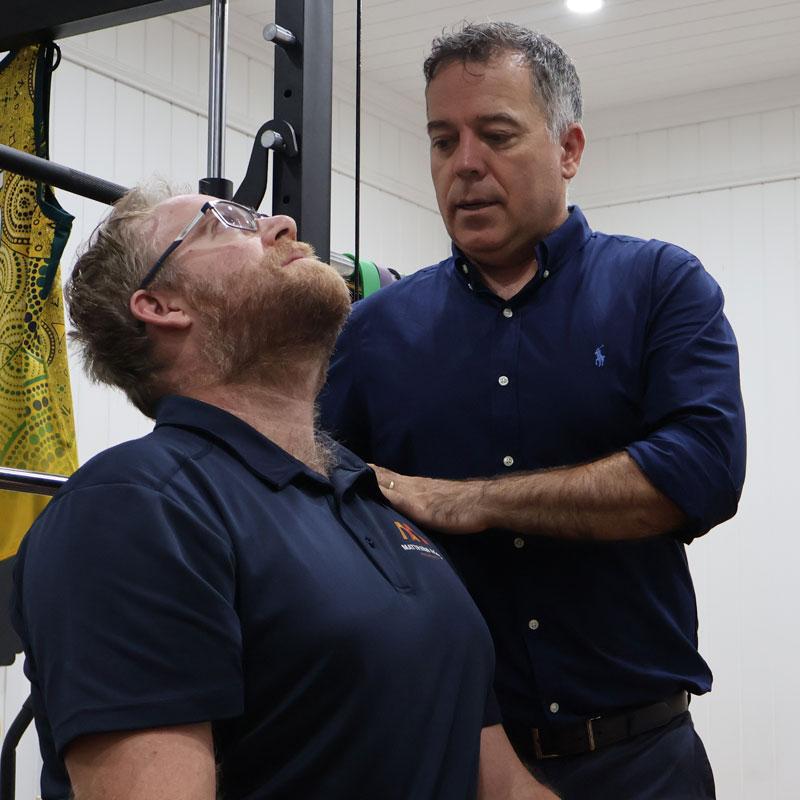
At BL Physio, we provide hands-on physiotherapy for WorkCover patients from our boutique clinic in Coorparoo, Brisbane. Helping injured workers reduce pain, rebuild strength and return to work safely.
There is direct billing for approved WorkCover Queensland injuries. Just bring your claim number and we'll take care of the rest.
A better body for life
Our physios get hands-on to tackle your pain then teach you how to nip niggles and muscle tension in the bud for yourself long-term. We'll show you how to target your weak points and improve your mechanics to have a better body for life.
Our goal is to help you recover fast, and empower you to have a better body moving forward.
Ready to get back on track? Book your appointment below.
Most work injuries build up over time
A lot of people think sprains and strains at work are just bad luck. Usually they're not. Most are what I call accumulative injuries: stress and tightness build up over weeks or months, and your body keeps compensating until one day it can't.
“You might do something little at that point, and it might be something that you've done a thousand times before, like bending over and picking up a light tool, and all of a sudden, bang, you've got an injury.”
The warning signs are usually there first. A niggle or a catch. An ache that comes and then disappears. Tension in your lower back that's slowly been getting worse. That's your body asking for help. Part of your rehab is learning to spot those signs and deal with them early, so a niggle doesn't turn into the next claim.
When your back grabs on you
Safety first. If the pain is severe, or anything changes with your bladder or bowel, go straight to hospital.
Otherwise, tiny movements are your friend. Whether you're standing, sitting or still bent over, move one hip forward a fraction, then relax. Then the other side. Slow, smooth and pain-free. If a centimetre hurts, do half a centimetre. It's a gentle technique called Feldenkrais, and it helps tight back muscles let go.
If you've got to sit or drive home, get your backside right back in the seat and open your hip angle past 90 degrees, to around 100 to 110, then keep up those small movements.
Complete rest isn't the answer either. Tissue that's switched off gets weaker, and then going back to the job gets harder. We look for ways to ease the load rather than stop everything.
Rehab that looks like your job
A scaffolder, a nurse and an office worker need different things from their rehab. We look after a lot of people in physical jobs, and much of it comes down to how you load your body day to day.
“We look after a lot of scaffolders at times … they will throttle really hard. They're very strong people.”
Throttlers grip hard through the thumb. But the thumb is built for fine work, not to be a workhorse, and that force goes straight up to the outside of the elbow, where tennis elbow lives. Gripping through the three fingers on the little-finger side looks exactly the same from the outside, but it takes load off the thumb and elbow with every lift: scaffold standards, timber, hand tools, even the steering wheel.
Overhead work is another common one. When your upper back stops moving well, your neck ends up doing all the work.
“We find people that, say, do painting above head, they'll straighten up to a certain extent, stay there, and then the neck just has to do everything. So we see them in the clinic on Monday morning because their neck's just blown out.”
So we get the upper back moving again. Curl down, then uncurl one vertebra at a time, chest back, shoulders back, neck last. Then we build it into how you work. We look at how you actually bend, lift, carry and reach on the job, and find the small changes that take load off the injured area.
What's included
- Assessment and hands-on treatment of your injury
- A return-to-work plan, including suitable duties
- Strength work for the tasks your job involves
- Simple release and movement strategies you can use on the job
- Clear communication with your case manager, GP and employer
Getting started
Before your first appointment we need your WorkCover claim number and your employer and insurer details, so your sessions are covered. Please also bring your GP's Work Capacity Certificate and any scans or medical reports.
Not sure where your claim is up to, or what you need? Call us on 07 3847 8040 before you book and we'll talk you through it.
Medicare, DVA and NDIS
Get Out of Pain. Move Better. Live Better.
At BL Physio, we accept Medicare Chronic Condition Management Plans (CCMPs), self-managed and plan-managed NDIS participants, and eligible DVA patients at our physiotherapy clinic in Coorparoo, Brisbane.
Medicare Chronic Condition Management Plans (CCMP)
If you have a chronic medical condition, you may be eligible for a Medicare rebate for up to five allied health sessions per calendar year, including physiotherapy, through a plan arranged by your GP.
Previously called Enhanced Primary Care (EPC) plans, CCMPs help make physiotherapy more affordable for people managing ongoing health conditions.
How Does Medicare Billing Work?
Our Medicare physiotherapy appointments are not bulk billed.
You simply pay the standard consultation fee in full on the day. We then process your Medicare rebate immediately in the clinic, with the rebate returned directly to your eligible debit card.
Our goal is to get hands-on to reduce your pain, then empower you with the skills to take control of your body and enjoy a better quality of life for years to come.
Once your Medicare sessions are used, you're welcome to keep coming as a private patient. You don't need a referral for that, and if your cover includes physiotherapy you can claim your health fund rebate on the spot.
NDIS Physiotherapy
Helping you move better and live better. We provide NDIS physiotherapy services from our boutique clinic in Coorparoo, Brisbane, helping participants improve movement, build strength and maintain independence.
We welcome NDIS participants with self-managed or plan-managed funding, providing physiotherapy services in accordance with your individual NDIS goals.
Our approach is simple. We get hands-on to ease your pain and muscle tightness, then empower you with strength and the skills to manage your own body long-term.
We'll help you move more freely, build confidence and independence, and keep you doing the things that matter, now and for years to come.
DVA Physiotherapy
Supporting our veterans to move better and live better. We're proud to support our veterans by providing DVA physiotherapy at our boutique clinic in Coorparoo, Brisbane.
We welcome eligible Department of Veterans' Affairs (DVA) patients with a valid doctor's referral, with treatment funded by DVA in accordance with your entitlements.
Our approach is simple. We get hands-on to ease your pain and tension, then empower you with the skills to manage your own body long-term.
That way you can move more freely, stay active and keep doing the things you love, now and for years to come.
Gold Card holders are covered for all clinically necessary physiotherapy. White Card holders are covered for treatment of their accepted conditions. A DVA referral lasts 12 months or 12 sessions, whichever comes first.
What to bring
- Medicare: your GP referral, your Medicare card and an eligible debit card for the rebate.
- DVA: your Gold or White Card and your GP referral.
- NDIS: your NDIS number, and your plan manager's details if your plan is plan-managed.
- Everyone: any relevant reports or scans, and comfortable clothes.
How we help with long-term conditions
Long-term pain is rarely about one spot. We look at the whole chain, from your feet up, and follow the trail of tight spots that leads into the sore area. Some of that is hands-on. Most of it is showing you how to do it yourself.
“Ease plus empower equals quality of life and achieving your goals.”
Ease means taking the load off straight away, often by changing how you walk, sit or lift. Complete rest isn't the answer: tissue that isn't used gets weaker. We ease the load rather than switching it off. Empower means you leave with the skills to look after it yourself, so a warning sign doesn't turn into a bad week.
“I have a niggle. I'm aware of something. I'm not going to let it get to a bad level. I de-load it. I release it. I strengthen it.”
If you're living with chronic pain or fatigue, we pace all of this to what you can recover from. We start small, add a little at a time and scale back on a bad week. The point is that over time you need us less, not more.
See also: Services Australia: chronic disease GP management plans
Further reading: WorkCover Queensland: claims
No referral needed for private appointments, and you can claim your health fund rebate on the spot. We also see WorkCover, DVA, NDIS and Medicare Chronic Condition Management Plan clients.
WorkCover, Medicare, DVA & NDIS: common questions
If you were injured at work and have reported it to your employer, you may be eligible. Your GP or WorkCover can confirm.
Yes. You need a current Work Capacity Certificate from your GP for physio to be billed under WorkCover.
Yes. We need a valid claim number and your employer and insurer details before we start treatment, so your sessions are covered.
If your claim is accepted, WorkCover covers your physiotherapy sessions with no out-of-pocket cost.
Your WorkCover claim number, your GP's Work Capacity Certificate, your employer and insurer details, and any scans or medical reports.
Up to five allied health sessions per calendar year under a Chronic Condition Management Plan. They're shared across all allied health providers, not just physio.
No. You pay the standard consultation fee on the day, and we process your Medicare rebate in the clinic straight away, back to your eligible debit card.
Yes. You need a valid referral from your GP to claim physio sessions under a Chronic Condition Management Plan.
No. You can claim either Medicare or your private health fund for a session, not both.
No. DVA covers the full cost of eligible physio sessions, with no gap, when your referral and card are valid. White Card cover is for your accepted conditions.
12 months or 12 sessions, whichever comes first.
Yes, if you're self-managed or plan-managed and your plan includes funding for therapy. We provide physiotherapy in line with your individual NDIS goals.
Related articles
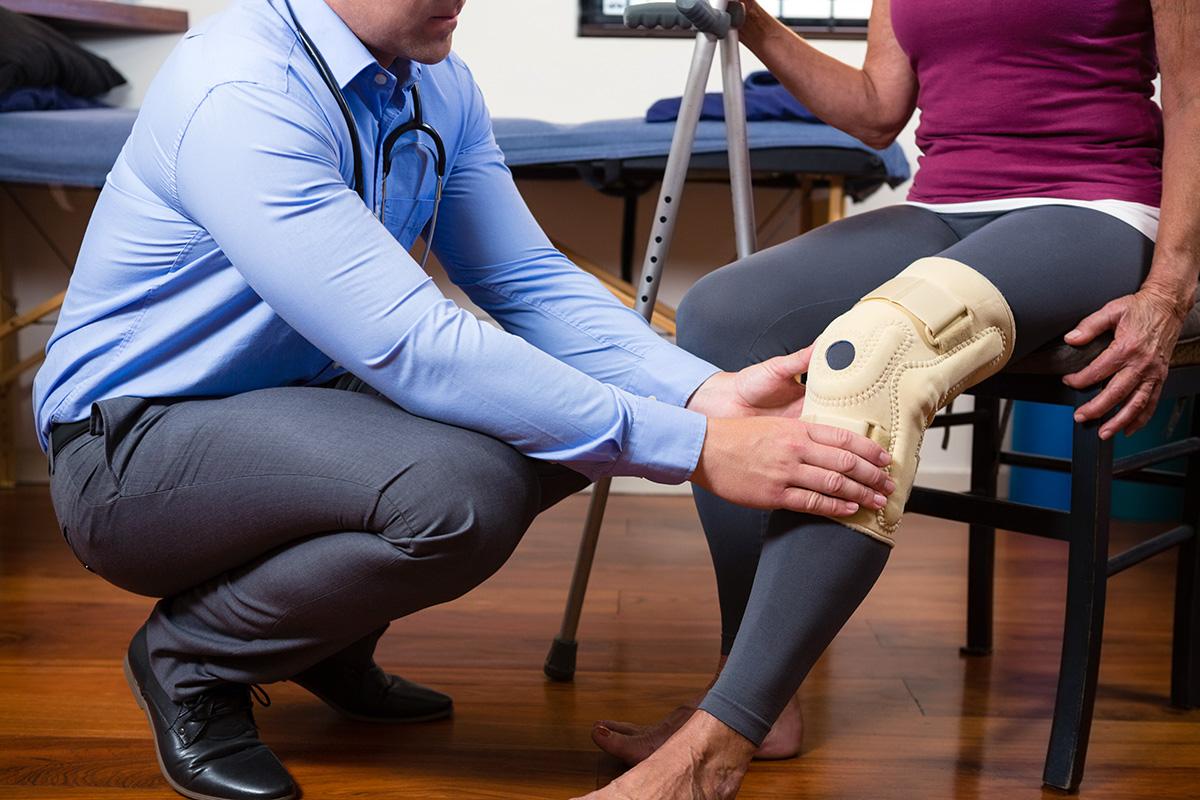
3 November 2020
What Types of Physio Are There?
The types of physio are super varied. Good to know what options there are so you can get to the right person for your specific condition.

7 December 2021
3 QUICKEST POSTURE EXERCISES FOR RUNNING AND LIFE (In Under 2 Minutes)
Do you want to improve your posture but don’t have the time between staying fit and just getting through your busy life?

14 March 2022
Ease Muscle Tension Stress, Anywhere, Any Time, In Under 3 Minutes: FREE GUIDE
We all suffer muscle tension from the stresses of daily life.
WorkCover, Medicare, DVA & NDIS near you
We're at 401 Old Cleveland Road, Coorparoo QLD 4151, easy to get to from Camp Hill, Carina, Greenslopes, Woolloongabba, Carindale, Morningside, Norman Park, Holland Park, Cannon Hill, Stones Corner and East Brisbane. We're open six days, with early and evening appointments.
Get directions →Opening hours
- Monday
- 7am – 7pm
- Tuesday
- 7am – 7pm
- Wednesday
- 9am – 6pm
- Thursday
- 7am – 7pm
- Friday
- 7am – 5:30pm
- Saturday
- 10am – 2pm
- Sunday
- Closed