
Running Physio Brisbane: Running Assessments in Coorparoo
Run faster. Run further. Keep running for life.
No matter where you are on your running journey—whether you're enjoying a couple of kilometres, tackling half marathons, or pushing towards your next ultra—your running technique matters.
It's about running faster, running further, reducing pain, and ultimately keeping you running well into your 90s!
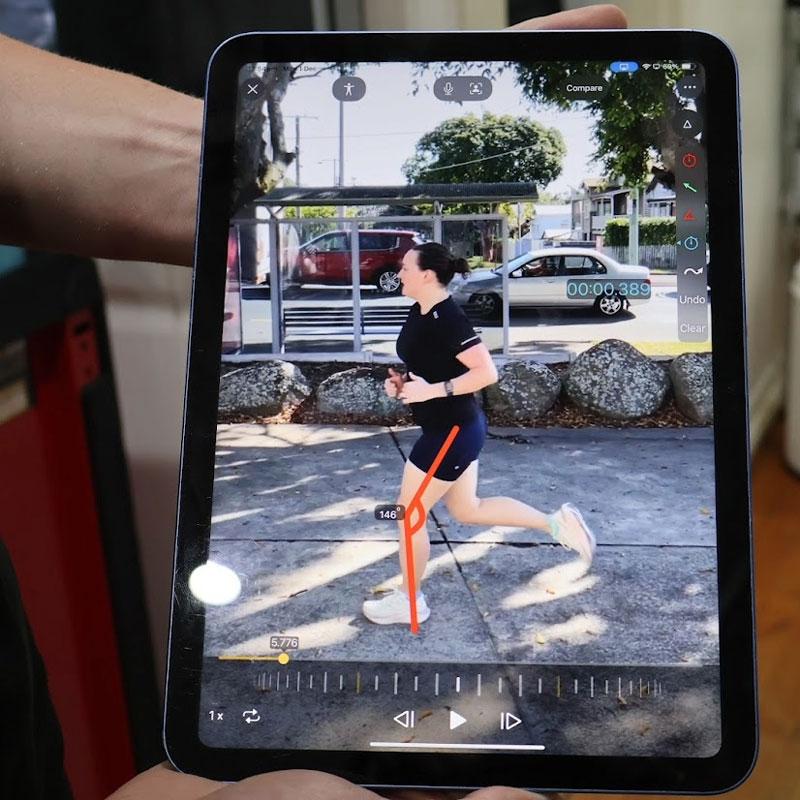
A comprehensive approach to running assessments
At BL Physio, we take a comprehensive approach to running assessments.
We combine a full biomechanical assessment and video running analysis with VALD HumanTrak movement and strength testing to understand exactly how your body moves, where your limitations are, and how we can make you a more efficient runner.
Whether you're chasing a personal best, struggling to increase your distance, or dealing with recurring injuries, understanding your biomechanics could be the key to unlocking your next level of performance.
Our goal isn't just to help you run better today. It's to empower you to keep running for life.
So, if you're ready to take your running to the next level, book in for a running assessment at BL Physio. We'd love to help you achieve your goals!
It's how you load each step
Running injuries rarely come out of nowhere, and they're rarely just about how far you run. They come from how you load each step, thousands of times over. The pattern I see more than any other is overstriding:
“They overstride, they lock out, and they take slow steps.”
Landing out in front of yourself puts the brakes on with every step. The knee locks, you sink into it, then you have to push hard to get going again. On the flat, your knees and shins cop a lot of that. On hills, your calf and Achilles have to push you back up to speed every single step, which is why the climbs around Camp Hill and Whites Hill so often find a weak Achilles.
Because it happens every step, small things add up. A single-leg squat is a snapshot of one step. If you wibble and wobble on one, it doesn't stay small over a whole run:
“If you can't control one, then imagine what happens 10,000 steps in.”
What we look at
- Where your foot lands compared with your hips, and whether you lock the knee out
- Your cadence: how quickly your steps tick over
- Step width. Some runners cross over the midline, which loads the inside of the ankle and the outside of the foot
- How tall you run: do you stay long through your middle, or fold at the hips and sink as you tire?
- Your arms and shoulders, because tension up top costs you energy
- Strength in the range you actually run in, the first 35 to 40 degrees of knee bend, which most strength programs skip
- Your shoes and how you're building your training
Simple cues, not a whole new running style
Here's a question I like to ask. How would you wreck your knees? You'd lock them out, take a big step and make it slow. So we do the opposite: slightly shorter steps, a straight leg but not a locked knee, and slightly quicker steps.
Shorter doesn't mean shuffling. If you feel like a penguin, you've gone too short, so add another inch until it feels natural. That's your sweet spot. And keep your cadence up. A common trap is shortening the stride and slowing the legs down with it, which makes you sink through your knees and hips and leads you straight back into trouble.
Then we look at how you move forward. A lot of runners stay upright and power themselves along with their quads, hamstrings and calves. If you run long and tall with a slight lean from the ankles, you start each stride from higher up, your legs can relax and go for the ride, and your body position does more of the work.
“Use gravity. It's really helpful. It's there for you if you want it.”
Starting out, or building up to a race
If you're new to running, get the technique right from the outset. It's much easier to build a good habit than to undo an old one at 15K into a long run. Start comfy, make it fun, and there's nothing wrong with walk-run while your body catches up.
If you're deep into a training block, the last few long runs are when niggles tend to show up. Don't just push through and hope, and don't just stop either. Complete rest makes the tissue weaker, so it flares again the moment you go back. We'd rather ease the load: tweak your technique, trade a run or two for water running in the pool, and keep you moving towards race day.
And one thing to know before you start rolling or stretching a sore spot: if it's puffy, swollen, warm or red, don't touch it. Get to the doctor first.
What you'll leave with
- Video of your running and a clear explanation of what we saw
- One or two technique cues to start with, not ten
- A strength and release program aimed at your weak links
- How to find and release your own tight spots, so you can nip niggles in the bud
- Advice on your shoes and your training load
- A plan for getting back to your running, or building it up
The goal is that you understand your own body well enough to look after it between visits. We don't want you needing us every week.
See also: VALD strength & movement testing · Triathlon physio
Further reading: Australian Physiotherapy Association: Choose Physio
No referral needed for private appointments, and you can claim your health fund rebate on the spot. We also see WorkCover, DVA, NDIS and Medicare Chronic Condition Management Plan clients.
Running Physio & Assessments: common questions
No. Plenty of people come in before a big training block or race to get on top of their technique. It's easier to sort out a small niggle, or a habit that might cause one, than an injury that's stopped you running.
Yes, it's a good time. Getting your technique right early makes the longer runs more comfortable and helps you build up steadily. We'll also look at how you're increasing your distance.
Usually, in some form. Complete rest tends to make the tissue weaker. We'll work out how much you can do, what to change, and whether to swap some runs for something like water running for a while.
We'll check the shoes you run in: how worn they are, how flexible they are through the forefoot, and whether they suit your running. Then we'll talk you through what to look for in your next pair.
The shoes you run in most, and clothes you can run in.
Running assessments are done by a physiotherapist, so if your extras cover includes physio you can usually claim a rebate. Check with your fund.
Related articles
18 October 2021
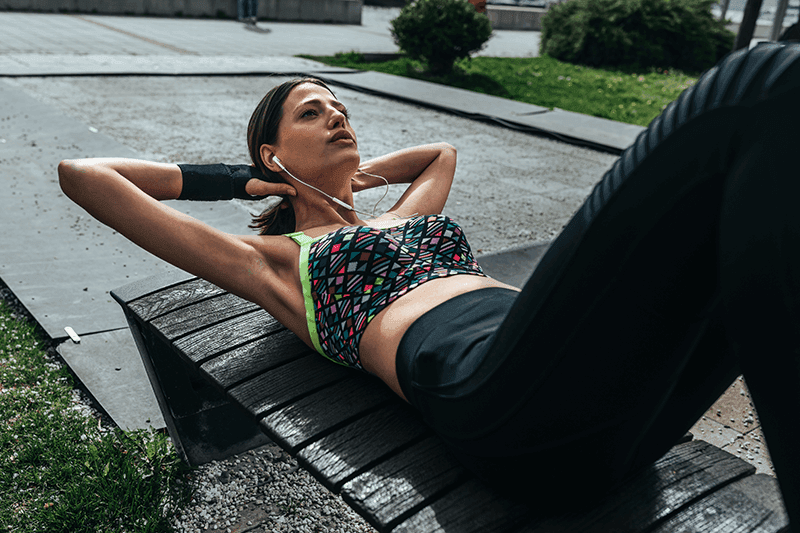
6 BEST EXERCISES FOR RUNNING
To get the most out of your runs (and for life), you want to make your body as efficient as possible.
10 November 2019
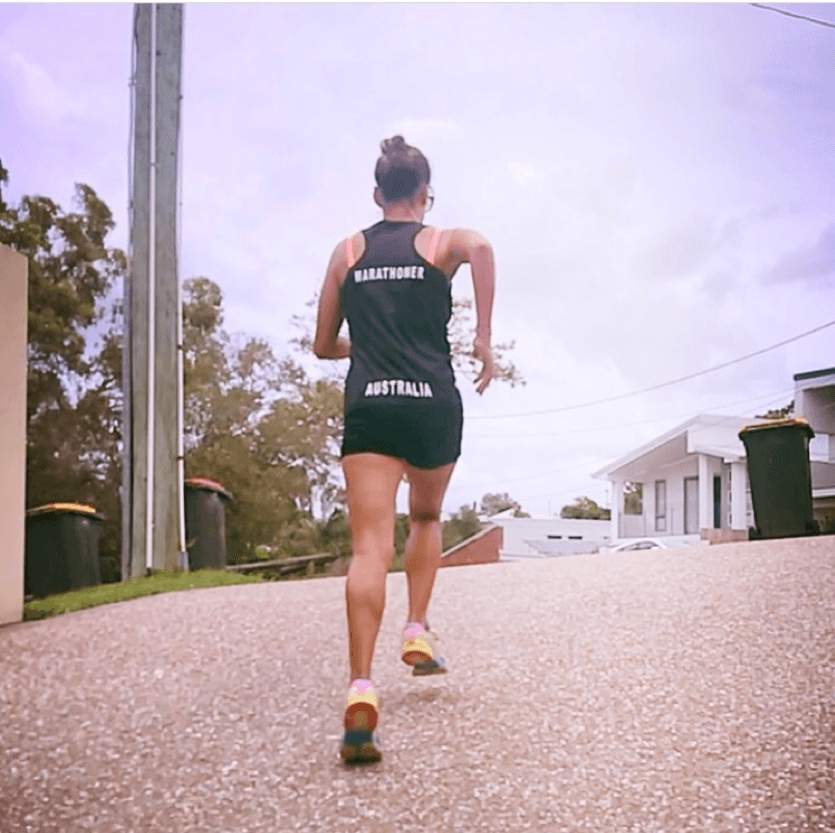
Running Up A Hill Can Be Effortless!
Sounds crazy right? You can run up hills without tiring as well as decreasing your risk of injury with a couple of specific skills.
19 January 2022
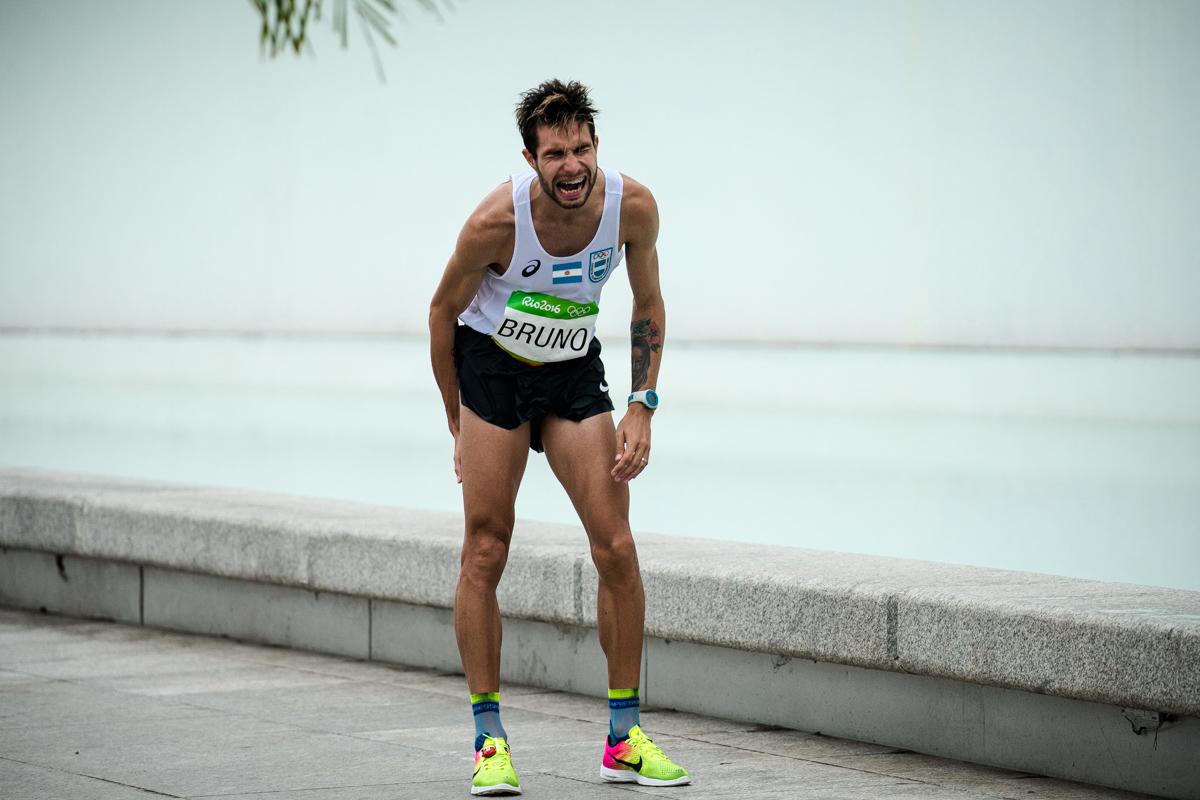
3 Reasons Hip Flexors Are Important For Runners… Avoid the ‘toilet bowl of doom!
The best way I can encompass the importance of hip flexors for running is with a story of one of our more elite crew who was talking after doing UTA.
Related services
Running Physio & Assessments near you
We're at 401 Old Cleveland Road, Coorparoo QLD 4151, easy to get to from Camp Hill, Carina, Greenslopes, Woolloongabba, Carindale, Morningside, Norman Park, Holland Park, Cannon Hill, Stones Corner and East Brisbane. We're open six days, with early and evening appointments.
Get directions →Opening hours
- Monday
- 7am – 7pm
- Tuesday
- 7am – 7pm
- Wednesday
- 9am – 6pm
- Thursday
- 7am – 7pm
- Friday
- 7am – 5:30pm
- Saturday
- 10am – 2pm
- Sunday
- Closed