
Hypermobility & EDS Physio in Brisbane
Reduce Pain. Build Stability. Move with Confidence.
At BL Physio, our physiotherapists have personal family experience with Ehlers-Danlos Syndrome (EDS), and understand just how significantly this condition can affect your everyday life.
The most common form, Hypermobile Ehlers-Danlos Syndrome (hEDS), can present differently from person to person. From chronic pain that shifts throughout your body to joint instability, dislocations, fatigue, digestion issues… The list is long and it's important to understand the challenges of living with EDS in order to improve.
From our boutique physiotherapy clinic in Coorparoo, Brisbane, we provide an individualised approach to helping you manage your symptoms, improve stability and move with greater confidence.
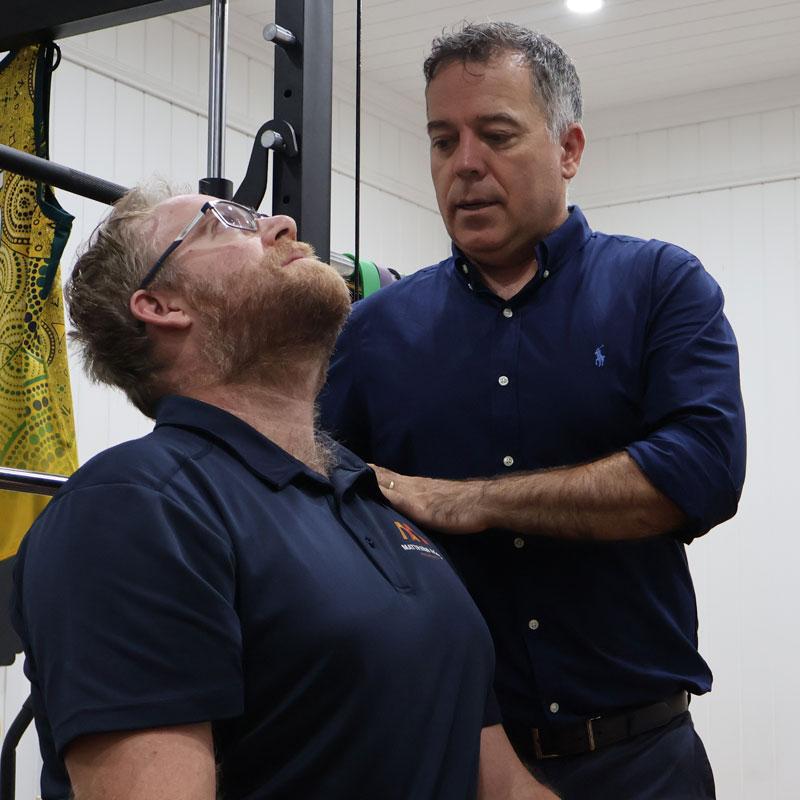
A Whole-Body Approach to EDS
We understand that no two people with EDS are the same.
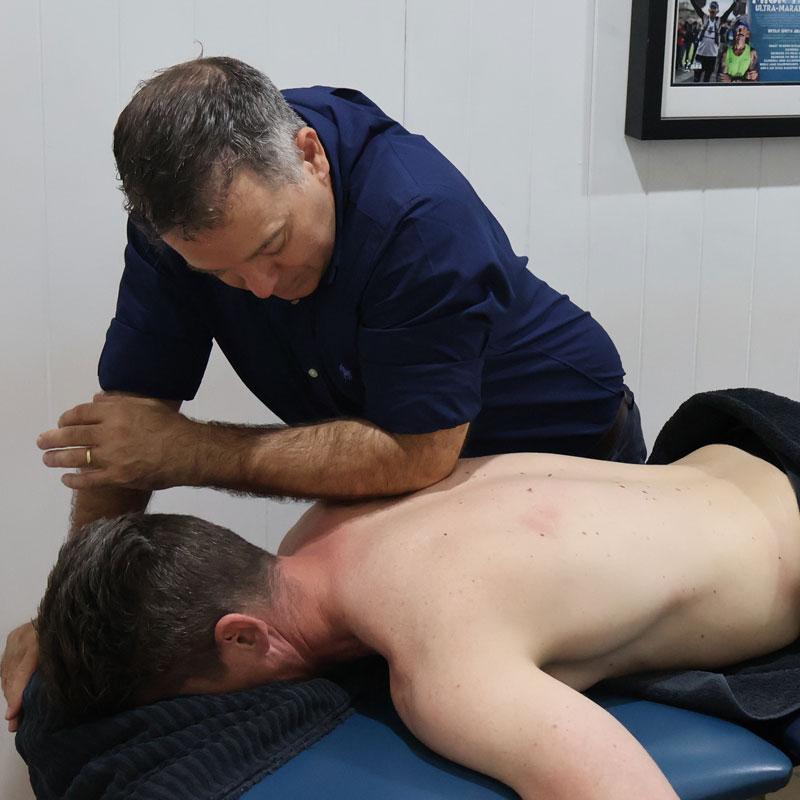
For some, treatment may involve gentle hands-on techniques to ease muscle tension and pain. For others, the focus will often be on targeted strengthening to address weaknesses, improve joint stability and help your body support itself more effectively.
We'll help you understand your biomechanics, improve how you position and support your joints, and learn how to avoid repeatedly locking into end-range positions that can aggravate again and again.
By combining targeted strength, balance and body awareness strategies, we aim to improve your movement control, support your joints and reduce the risk of recurring injuries.
Our goal is to empower you with the skills to better understand your body, manage your symptoms and build the strength and stability to keep doing the things you love long-term.
Living with EDS or joint hypermobility? Book an appointment below.
Does this sound like you?
- You're bendy, but you feel wobbly or clumsy, and joints sometimes give way or slip.
- You're always tight, no matter how much you stretch.
- Niggles pop up in your knees, shoulders, back and neck, and they move around.
- An exercise program has flattened you for days afterwards.
- You've been told to "just get stronger", but nobody has shown you where the gaps are.
None of that means you're doing it wrong. It usually means the program wasn't built for a hypermobile body. Former dancers and gymnasts are a good example: years of training quietly filled the gaps in their strength, and some only notice symptoms once they stop. When the training goes, the gaps open up again, and if your energy has dropped too, it's hard to get it back on your own.
Locking out, and the gap in your strength
Many hypermobile people hang off their joints, especially their knees. Every step, the knee snaps straight, goes a little past straight and rests on the ligaments. You end up strong when the joint is locked, and weak just short of it, because you never use that range.
“Strong there, and then weak through to usually about 35 degrees. So we've got to fill that gap so that we can land, control and not smash out joints.”
That gap shows up when you change direction, step off a kerb or come down stairs. The knee slips into the range you haven't been using and you lose control. So we fill it: slow, controlled work through the first part of the bend, stomach set, glutes on, the knee straight but not locked. Stand up out of a squat and you'll want to drop and then lock through at the top. We teach you to work all the way back up instead.
Shoulders work the same way. The two common mistakes are crunching up and holding on for dear life, or letting the elbow do the work. We start with small, controlled movements of the shoulder blade, back and then forward, without losing your technique. If your shoulder dislocates often, we start somewhere gentler than that.
Muscles that won't let go
When joints are loose, muscles hold on to keep you stable. That can feel like constant tightness, or long-term back pain that never quite settles.
“They just hang on. And they hang on and hang on, and then they end up in real drama.”
That's why stretching a hypermobile back often doesn't help for long. You're stretching muscles that are tight for a reason. So we build strength and endurance around the joint first, so the muscles don't have to guard so hard, and then teach them how to turn off. Gentle hands-on release and trigger point work can help calm things down along the way.
Start from the ground up
With EDS and long-term pain, we often start with your feet. When pain has been around a long time, a foot can stop working like a foot and act more like a block of wood. A simple exercise called doming wakes up the small muscles under the arch: lift the arch into a little dome, hold for a few seconds, relax, and repeat until it tires. Stop if it hurts. Once the foot is working, the chain through the knee and hip often starts to switch on too.
From there we move up to the hips. A lot of hypermobile people find it hard to lift a leg out to the side without leaning or locking a knee, so we start small and keep your belt line level. That gives you a stable base before we ask more of your knees, back and shoulders.
Learning your own trail
I don't want you relying on me. Tight spots in a muscle (trigger points) tend to link up in trails, and once you know yours you can release them yourself, at home, before a niggle turns into a flare.
“It's not enough to just kind of go, you've got these tight spots around. I think you should know your trail.”
One person I saw recently is hypermobile, had dislocated her knee, and also gets migraines. She was locking her knee out, which left the inner-range quads weak. We started with the knee: walking without locking out, filling the strength gap, and learning the trail of tight spots around it. Then we linked it up through the glutes and lower back, and on into the neck and shoulders. Now she has one trail she can work through herself when she notices a warning sign, whether that's a twinge in the knee or something building in her head.
Further reading: The Ehlers-Danlos Society
No referral needed for private appointments, and you can claim your health fund rebate on the spot. We also see WorkCover, DVA, NDIS and Medicare Chronic Condition Management Plan clients.
Hypermobility & EDS: common questions
No. You don't need a referral or a diagnosis for a private appointment. If you think you're hypermobile, we can assess how your joints move and work with your GP if you need further tests.
Usually less than you think. Your joints already have plenty of range. Most hypermobile people get more from building control and endurance through the range they have, and learning to release tight spots rather than stretching them harder.
We talk through your history, your energy and what tends to flare you up, then look at how you stand, walk and move. You'll leave with a small number of exercises you can manage, and a clear idea of where we're starting.
If your GP sets up a Chronic Condition Management Plan, you can claim a Medicare rebate for some sessions. Self-managed and plan-managed NDIS participants can use their funding with us too. See our Medicare, DVA and NDIS page for details.
Related articles
29 November 2017
SSTM® Muscle Hacks: Squeeze, Stretch, Trigger, Move
SSTM® gives you a framework to help muscles: SQUEEZE, STRETCH, TRIGGER and MOVE. Managing your body is a Way of Life…

7 September 2022
How To NOT @*#% Your Thumbs
QUESTION: Why do most people get sore thumbs and eventually end up wrecking them?? ANSWER: Because NOONE tells you how not to!

7 December 2021
3 QUICKEST POSTURE EXERCISES FOR RUNNING AND LIFE (In Under 2 Minutes)
Do you want to improve your posture but don’t have the time between staying fit and just getting through your busy life?
Hypermobility & EDS near you
We're at 401 Old Cleveland Road, Coorparoo QLD 4151, easy to get to from Camp Hill, Carina, Greenslopes, Woolloongabba, Carindale, Morningside, Norman Park, Holland Park, Cannon Hill, Stones Corner and East Brisbane. We're open six days, with early and evening appointments.
Get directions →Opening hours
- Monday
- 7am – 7pm
- Tuesday
- 7am – 7pm
- Wednesday
- 9am – 6pm
- Thursday
- 7am – 7pm
- Friday
- 7am – 5:30pm
- Saturday
- 10am – 2pm
- Sunday
- Closed